Why Rs 1 entries change the math
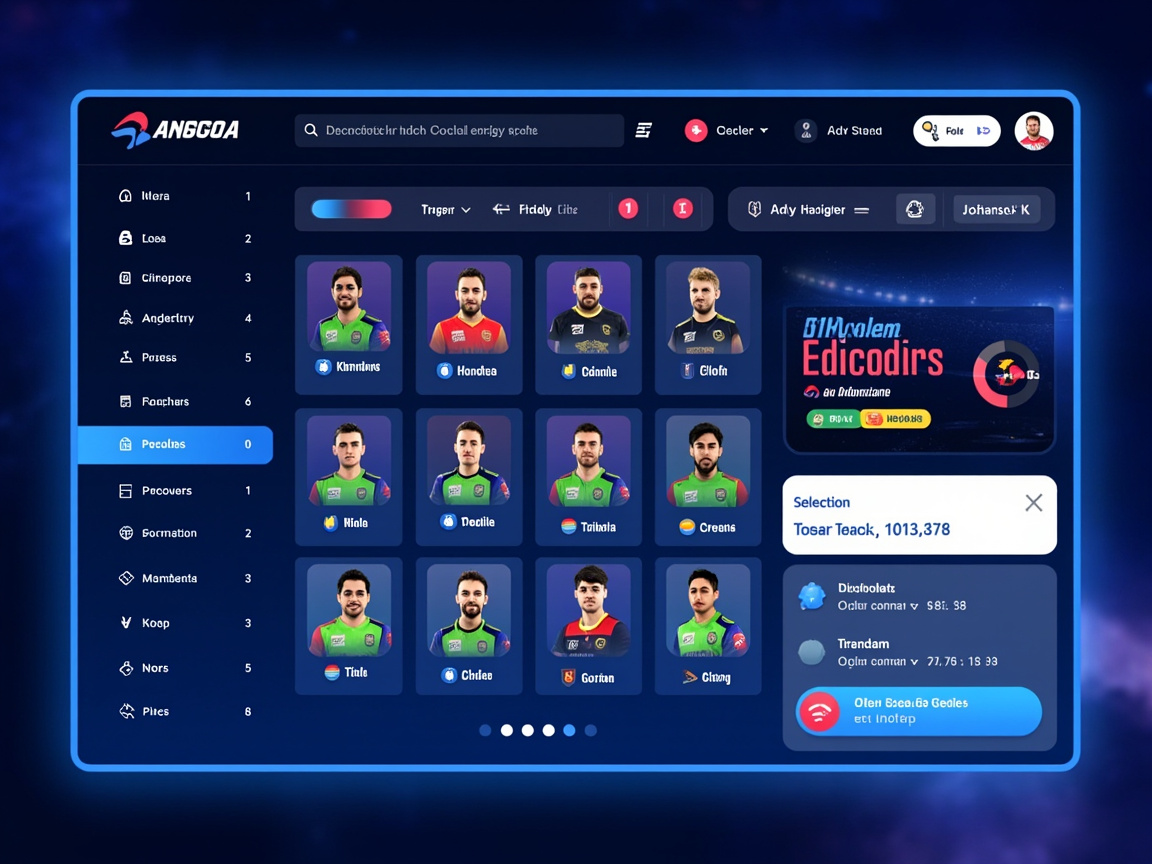
The fantasy sports industry has a volume problem. Most platforms price their contests at Rs 49-499, which means a Rs 500 weekly budget gets you only 1-10 contests. With Come Sports’s Rs 1 entries, the same Rs 500 budget gets you 500 contests — a 50-500x volume increase.
Volume matters because every contest is a separate bet on your captain pick. A captain pick that scores 80 points gives you 160 points (with the 2x multiplier) regardless of whether you paid Rs 1 or Rs 49 for the contest. The marginal value of the captain pick is the same — the only difference is the entry fee you paid for the privilege of placing the bet.
The volume advantage compounds in tournaments. A player who plays 200 contests with Rs 200 has 200 chances to find the right captain pick, while a player who plays 5 contests with Rs 245 has only 5 chances. The volume player is 40x more likely to hit a top-1% captain pick across the tournament.
The volume + selection strategy
The winning Rs 1 contest strategy is volume + selection. Volume = play 100-200 contests per week. Selection = pick your top 3-5 captain picks for the week and stick to them, rather than chasing every high-profile pick.
The right captain pick for a Rs 1 volume player is the pick that you have the highest conviction on, not the pick that has the highest public visibility. Public visibility drives crowd-sourced captain picks, and crowd-sourced picks are crowded — they reduce the expected ROI per contest.
The contrarian captain pick is the highest-ROI captain pick in a mega contest with 50,000 entries. A captain pick that 5% of players make gives you a much higher expected rank than a captain pick that 30% of players make.
Bankroll discipline for Rs 1 volume players
The right bankroll for an IPL tournament as an Rs 1 volume player is Rs 2,000-5,000, which buys 2,000-5,000 contests over 70 matches. The Rs 2,000-5,000 is the amount you’re willing to lose, not the amount you’re trying to win.
Track your daily spend, weekly spend, and tournament spend in the Come Sports app. The app shows your cumulative entry fees, your cumulative winnings, and your cumulative ROI. The discipline is to set a tournament cap and stick to it.
The chasing-losses trap is the most common bankroll mistake. A player who loses Rs 200 on day 1 and deposits Rs 1,000 to “make it back” is on the path to a financial problem. Set the tournament cap, stick to it, and treat the deposit as a sunk cost the moment it’s made.
Contest types and entry fee selection
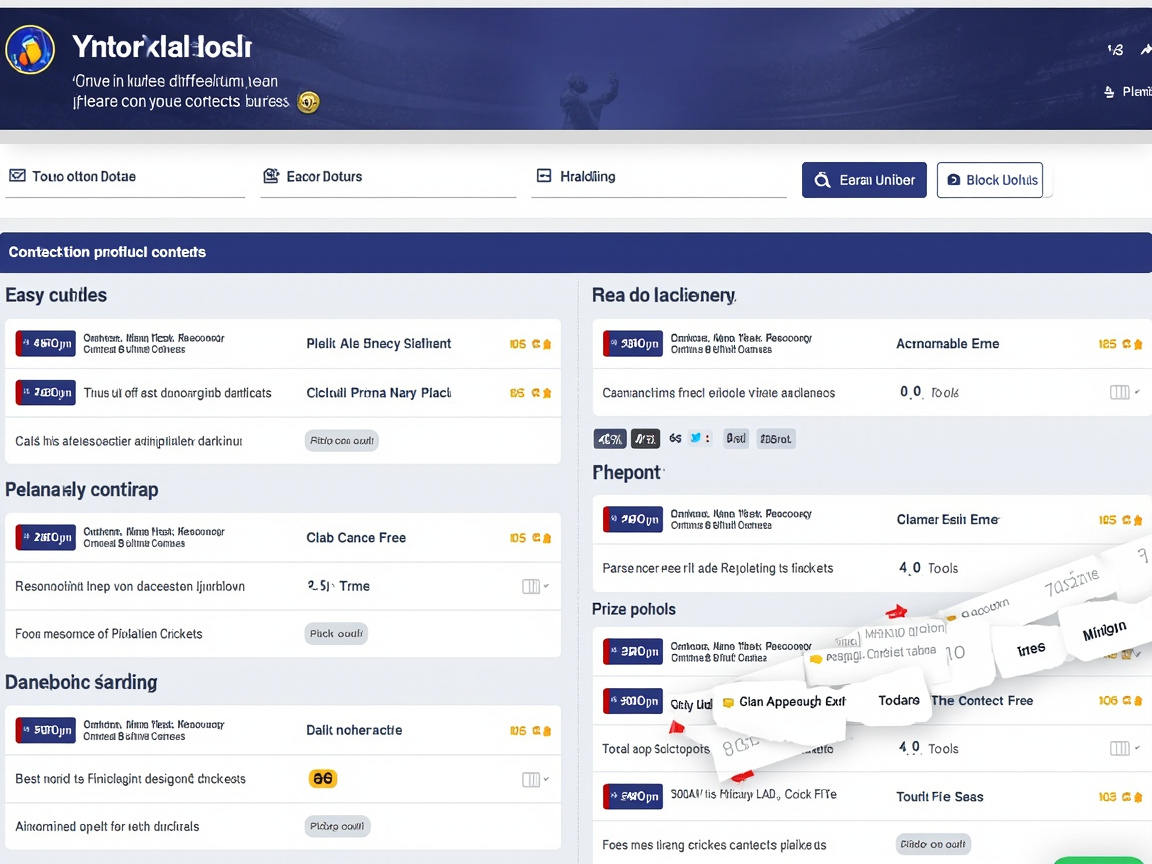
Come Sports offers Rs 1 contests across all match types: head-to-head (2 entries), small group (50-500 players), weekly mega (10,000+ entries), and practice (free, bonus cash prizes).
The right mix for a Rs 1 volume player is: 50% small group contests, 30% weekly mega, 15% head-to-head, 5% practice. The mix gives you exposure to different contest types while keeping the per-contest variance manageable.
The wrong mix is putting 100% of your volume into head-to-head contests. Head-to-head contests have a 50% win rate by definition, which means you’ll win roughly half of them and lose half of them. The expected ROI is determined by the contest fee vs the prize, not by your captain pick skill alone.
Captain pick math in plain language
The 2x captain multiplier is the most important decision in any fantasy contest. A captain who scores 80 runs gives you 160 points; a captain who scores 30 gives you 60. The same player, same match, different captain pick, different outcome by 100 points.
The expected value of a captain pick is the probability of outscoring the vice-captain multiplied by the expected point difference. A captain pick with a 60% chance of outscoring the vice-captain and an expected difference of 20 points has an expected value of 12 points (0.6 x 20).
The contrarian captain pick is the right strategy in mega contests, the safe pick in head-to-heads, and a mix of both in small group contests. The volume player should use both strategies across their portfolio.
When to skip a match entirely
Skipping a match is a valid strategy when the match falls on a turning pitch with weak squads, or when the team news is too uncertain. The cost of skipping is one entry fee saved; the benefit is no negative contribution to the leaderboard.
Come Sports’s match rating system shows a 1-5 star rating for each match. A 1-star match is one to skip; a 5-star match is one to play with multiple entries.
The skipping strategy works best in the first 2 weeks of the tournament, when form data is sparse and captain picks are highly variable. After week 3, the form data is established enough that the captain pick variance drops.
Top Rs 1 contest mistakes to avoid
Mistake #1: Treating Rs 1 entries as throwaway bets. A Rs 1 entry still requires a captain pick, and the captain pick is the highest-leverage decision. Treat every entry as a serious bet.
Mistake #2: Playing too many head-to-head contests. The 50% win rate is built into the contest; your skill only determines whether you’re in the top or bottom 50% of contest winners, not whether you win the contest.
Mistake #3: Not tracking your captain pick accuracy. The Come Sports stats dashboard shows your accuracy by venue, opposition, and player role. The dashboard is the input that drives your weekly adjustments.
Mistake #4: Chasing losses. The most common bankroll mistake. Set the tournament cap, stick to it, and treat the deposit as a sunk cost.
Long-term ROI expectations
The long-term ROI for an Rs 1 volume player is 0-15% per tournament, depending on skill level. A casual player (top 30% in skill) will break even or slightly positive. An intermediate player (top 10% in skill) will earn 5-10% ROI. An elite player (top 1% in skill) will earn 15-30% ROI.
The Come Sports leaderboard shows the top 10% of players by ROI, and the leaderboard updates weekly. The top 1% is also published monthly. The leaderboard is the right input for tracking your skill development over time.
The right way to think about the long-term ROI is to compare it to other entertainment spending. A Rs 2,000 tournament spend that generates Rs 2,000-2,500 in winnings is equivalent to a Rs 200 entertainment expense with entertainment value. The discipline is to treat it as entertainment, not as an investment.
Frequently asked questions
What is the Come Sports fantasy cricket contest?
How is the Rs 1 contest different from higher entry contests?
Can I win the Rs 8 Crore prize pool from a Rs 1 entry?
Ready to play Rs 1 contest on Come Sports?
Use code COME100 for Rs 100 welcome bonus. 1x playthrough, 2-minute withdrawals.